SONNENLAND

Austrian Cultural Forum, New York

Sonnenland

Installation
(Film 16mm/DVD, 16 minutes, looped)

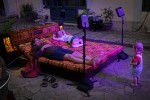
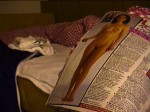
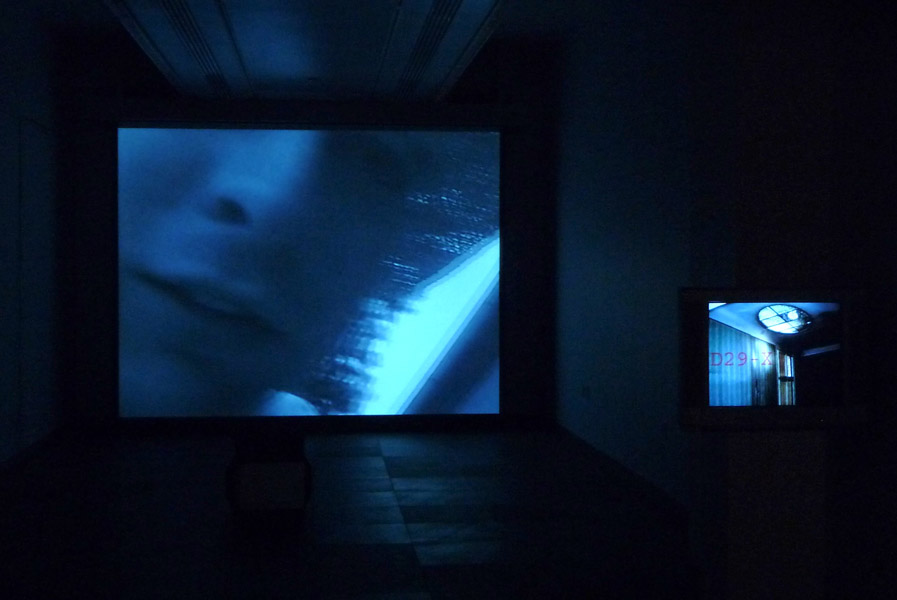
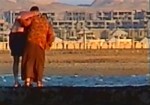
In his video Sonnenland, Paul Divjak addresses a sensitive subject. He filmed handicapped children, showing the viewer the fine line between documentation and voyeurism via a sociopolitically controversial subject. Rather than violating privacy, his camera captured the direct, playful, and authentic interaction between those involved in the video shoot.

“Videorama – Absurdity, Subversion, and Form in Austrian Video Art”
Austrian Cultural Forum, New York

Participating Artists: Renate Bertlmann, BitteBitteJaJa, Paul Divjak, Thomas Draschan, Tomas Eller, Nicolas Jasmin, Anna Jermolaewa, Leopold Kessler, Stephan Lugbauer, Rudolf Polanszky, Gerwald Rockenschaub, Hubert Sielecki, Erwin Wurm

Curators: Gerald Matt, Andreas Stadler, and Angela Stief

Videorama Partners:
Austrian Cultural Forum, New York, USA, December 1, 2000 – January 23, 2010
Center for Contemporary Art, Tel Aviv, Israel, 2010
Der Kunstverein, seit 1817, Hamburg, Germany, 2010
Galerie Henze & Ketterer, Bern, Switzerland, November 28, 2009 – February 27, 2010
Lalit Kala Akademie, National Academy of Art, New Delhi, India, 2010
MSU Museum of Contemporary Art, Zagreb, Croatia, 2010
Museum der Moderne/Rupertinum, Salzburg, Austria, 2010
ParaSite, Hong Kong, China, 2010
Ullens Center for Contemporary Art, Peking, China, 2010
Ursula Blickle Stiftung, Kraichtal, Germany, 2010
Zacheta National Gallery of Art, Warsaw, Poland, 2010

Publication: A German and English booklet (approx. 60 pp.) with 2 DVDs edited by curators Gerald Matt, Angela Stief, and Gerhard Johann Lischka for Kunsthalle Wien has been published by Benteli Verlag to accompany the exhibition.
Sowing the Seeds

SCHALOM

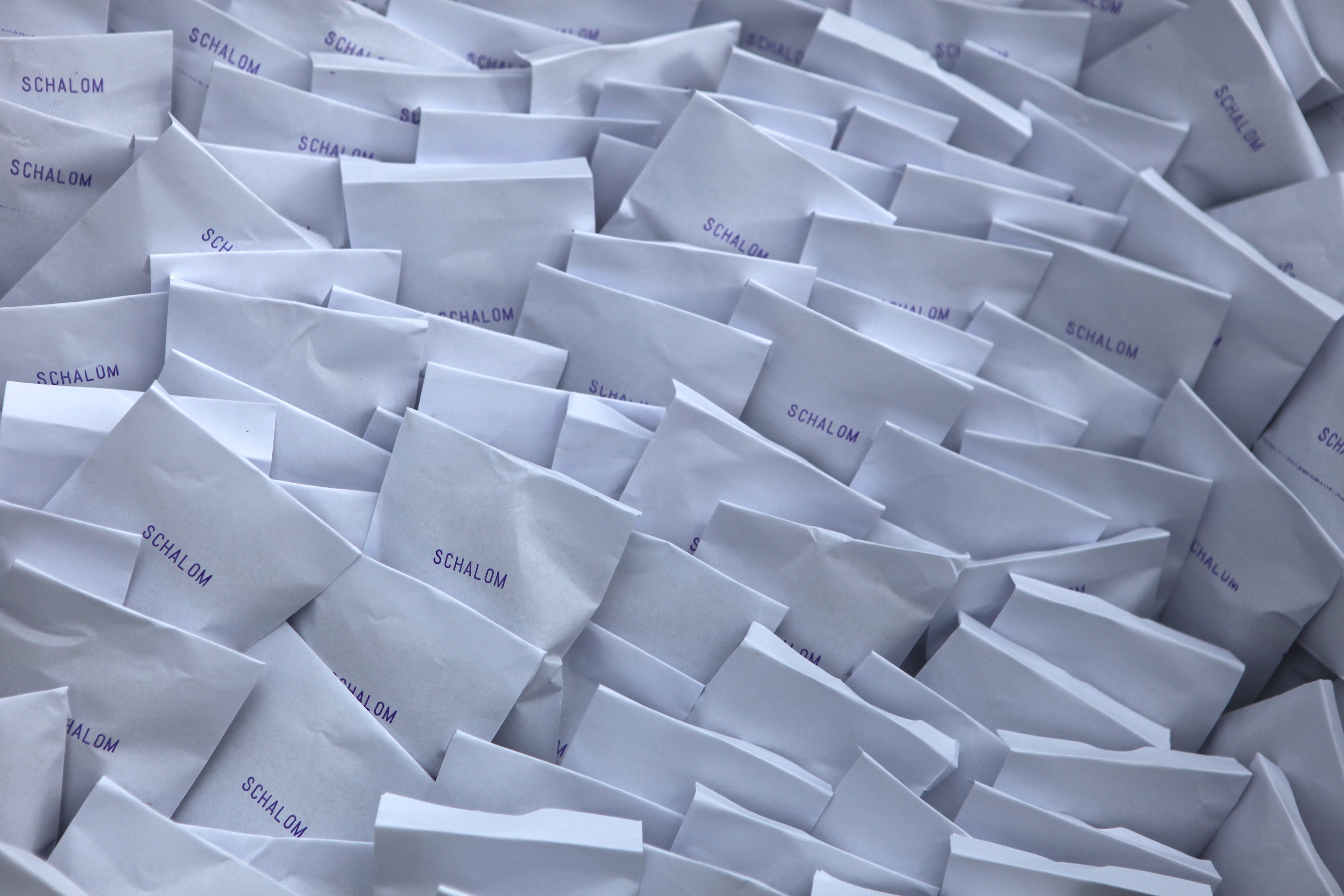
SOWING THE SEEDS – Schalom/Shalom
Installation by Divjak/Weishäupl (Grass area, Vienna Heldenplatz)

On March 15, 1938 a crowd gathered on Heldenplatz cheered for the “Führer” and celebrated the so-called “Anschluss” (annexation) to the German Reich.

Seventy-five years later, in March 2013, grass will be sown on the field on which the masses shouted with enthusiasm in 1938. Slowly, the word “Shalom” is gradually becoming legible. Peace as a wish and a path for all people. “Shalom” as a delicate, growing symbol that must be taken care of.

In cooperation with
Österreichische Präsidentschaftskanzlei
Österreichische Bundesgärten
Burghauptmannschaft Österreich

Sponsored by
Vienna Insurance Group

(Duration: March 15th – November 9th 2013)


Tourists of Life

Taken from the series “Tourists of Life”, 2007
(4 C-prints, variable sizes)


Prag 1968

Volkskundemuseum, Wien

Prag 1968 - Fotografien von Heinz Hosch, Volkskundemuseum Wien

“Prag 1968 – Fotografien von Heinz Hosch”
(Im Rahmen des Europäischen Monats der Photographie)

Eröffnung: 06.11.2008, 19.00 Uhr
Ausstellung: 07.11.2008 – 7.12.2008

Kuratoren: Paul Divjak, Matthias Beitl

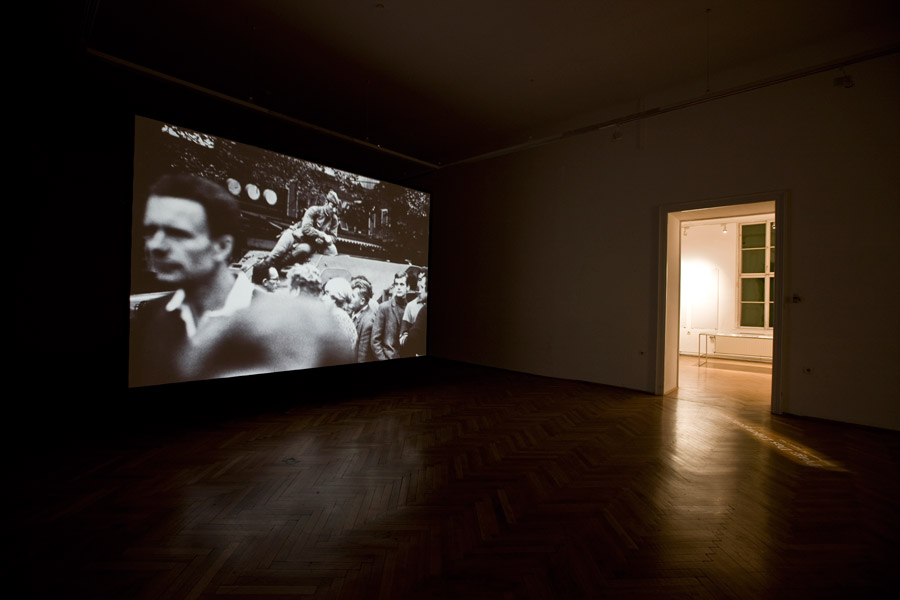
Prag ´68, als eines der Schlüsselereignisse des 20. Jahrhunderts, ist durch die Verankerung im kollektiven Gedächtnis bis heute präsent. Das kürzlich entdeckte Archiv des österreichischen Pressefotografen Heinz Hosch (1927-1981) mit seinem umfangreichen Fotobestand zu Prag ´68 bietet die Möglichkeit sich das Geschehen aus einem bisher unbekannten Blickwinkel zu betrachten. — mehr —


Paul’s Boutique

Dress To Exhibit – Prague Quadrennial

“We all come from somewhere, we all represent something, we all make and re-make ourselves daily through the acts of speech and appearance …” Irit Rogoff

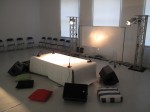
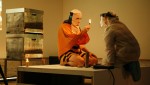
Im Rahmen der performativen Installation “Paul´s Boutique – Dress To Exhibit” haben die BesucherInnen der Prager Quadriennale die Möglichkeit, sich Kleidung auszuborgen, und in neuer Rolle die anderen Pavillons (u.a von Ilya Kabakov, Markus Schinwald) zu erkunden. Ausgewählt werden kann aus einer breiten, exklusiven Palette möglicher “Kostüme”. Das Angebot reicht von Haute Couture, über zB. das Outfit eines Security-Angestellten bis hin zum Dirndl, zur Burka und zum Strahlenschutzanzug. Die AusstellungsbesucherInnen werden zu AkteurInnen und verändern mit ihrem Auftreten und der neuen Haltung auch die Wahrnehmung und Kontexte der anderen künstlerischen Beiträge auf dem Areal. Eine Thematisierung gesellschaftlicher (Dress-) Codes am Schnittpunkt von Kunst und Alltag. — mehr —